Best Books for Middle Schoolers 2026: Top 5 Picks
June 8, 2026 · ParentRankings Editors
Our Top Pick
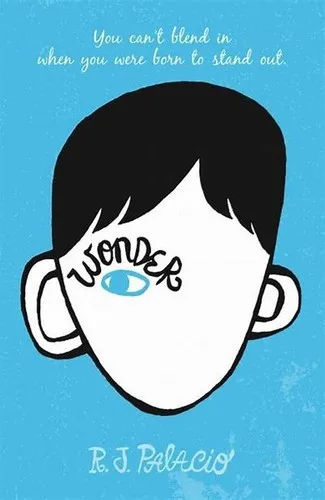
Wonder
Wonder's multi-perspective structure and unflinching emotional honesty make it the single most effective novel for building empathy in 6th and 7th graders — and the conversation it starts between parents and kids outlasts the book itself.
On December 1, 2025, ReadingMiddleGrade.com published one of the more significant annual roundups in the children's publishing world, spotlighting a wave of strong new middle grade releases and naming authors like Tiffany D. Jackson and Aimee Lucido as part of a genuine creative surge in the category. The signal was hard to miss: publishers are finally treating middle schoolers as the serious, hungry readers they actually are. That momentum makes right now the right moment to build a reading list for the year ahead, before the school year locks in its own rhythms and the window for voluntary reading narrows.
The timing also matters for a more immediate reason. If you have a 6th, 7th, or 8th grader at home, you already know that books are not competing against nothing. They are competing against a phone, a gaming console, a group chat, and an algorithm that has spent years learning exactly what keeps your kid's attention. A book that is merely good does not win that competition. A book that is genuinely impossible to put down does. Every title in our lineup was chosen with that standard in mind, not because it looks impressive on a summer reading form, but because it earns its place on a nightstand by being better than whatever else is in the room.
We have spent time with each of these novels, thought carefully about where they land developmentally, and matched them to the specific situations parents actually face. What follows is our honest take on what makes a great middle school book and which reader each of our five picks is built for.
What Makes a Great Book for Middle Schoolers? Our Scoring Criteria
Engagement is where we start, and where most lists stop. A beautifully written book that a 12-year-old abandons after two chapters has accomplished nothing. We weighted engagement heavily because reluctant middle school readers in particular need a story that generates its own momentum, pulling them past the first chapter before they have decided whether they like reading. Pacing, narrative tension, and voice all factor in. A slow build can work, but it has to earn the patience it asks for.
Age-appropriateness is more complicated than it sounds. Middle school spans a wider developmental range than almost any other stage. A 6th grader and an 8th grader are not the same reader, and a book that is exactly right for one can feel condescending or overwhelming to the other. We evaluated whether each title's themes, emotional complexity, and content are genuinely matched to the right stage, and we flagged where books skew toward either end of the range. Parents of younger middle schoolers should pay attention to those flags.
Emotional depth is what separates the books kids remember at 30 from the ones they forget by summer. Tweens are already living with questions about friendship, identity, belonging, and loss. The novels that meet them where they are, rather than talking around those questions, are the ones that create lifelong readers. We scored each book on how authentically it handles those themes, not just whether it addresses them.
Literary quality matters here in a specific way. We are not scoring middle grade fiction against adult literary fiction. We are asking whether the prose is intentional, whether the structure serves the story, and whether the craft is strong enough to make the reading experience feel effortless. Well-made writing is invisible in the best possible way. Kids do not notice it, but they feel the difference.
Thematic richness is the criterion that most directly affects parents. The best books on this list give families something to actually talk about. Empathy, justice, conformity, loyalty, what it means to belong somewhere and what it costs: these are not abstract themes. They are the conversations middle schoolers are already having, or avoiding. We prioritized novels whose themes open those conversations rather than close them.
Who Should Buy
If you have a 6th grader who has never loved reading, our top overall pick is the place to start. Its short chapters, multiple narrators, and immediate emotional stakes make it nearly impossible to abandon after the first 20 pages. It is the most reliably engaging book on this list for reluctant readers, and the conversation it starts between parents and kids tends to outlast the book itself.
If you need something that will keep a strong reader busy for months, our best value pick is the answer. Starting the series in 6th grade and finishing in 8th is one of the best long-format reading journeys available for this age group, and the books grow in complexity alongside the reader in a way that feels genuinely earned.
If you have a 7th or 8th grader who wants to be taken seriously, our runner-up is the right call. Its ambiguous ending and themes of conformity and memory give older middle schoolers something to genuinely wrestle with. It does not explain itself, which is exactly what that age group needs.
For the 8th grader who insists they hate reading, our pick for that grade specifically is the one to hand them. At roughly 180 pages, it is short enough to finish in a weekend, and the voice carries an emotional authenticity that teenagers recognize immediately as real.
And if your middle schooler is drawn to science, fantasy, or both, our sci-fi and fantasy pick builds a story around actual physics concepts and a genuinely flawed female hero. It is the best bridge between science-curious kids and literary fiction on this list.
See all 5 Best Books for Middle Schoolers (6th–8th Grade) ranked →
More Picks We Love
Our full ranking, scored by our editorial team on safety, value, ease of use, and quality.
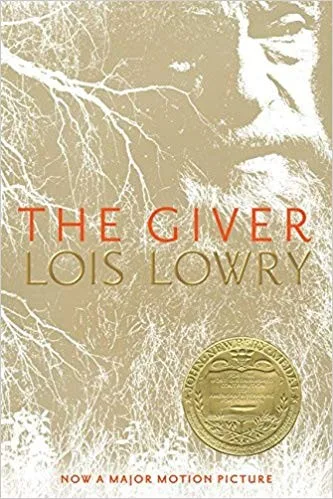
Harry Potter and the Sorcerer's Stone
No other series gives a middle schooler the experience of watching a fictional world grow in complexity alongside their own reading ability — starting in 5th or 6th grade and finishing in 8th is one of the best long-format reading journeys available.
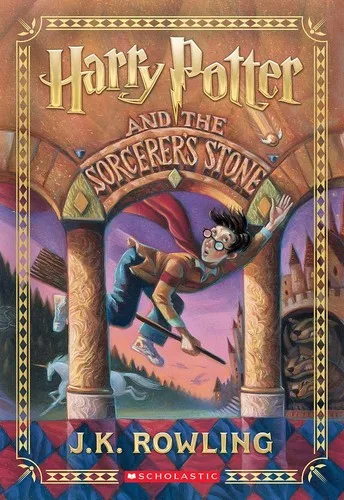
The Giver
The Giver is the most intellectually serious novel on this list — Lowry's spare prose and genuinely ambiguous ending give 7th and 8th graders their first real taste of dystopian fiction and philosophical thinking.
The Outsiders
Written by a 16-year-old, The Outsiders carries an emotional authenticity about adolescent loyalty and grief that no adult author has matched — it is the right book at the right moment for 13 and 14 year olds who are starting to understand that the world is not fair.
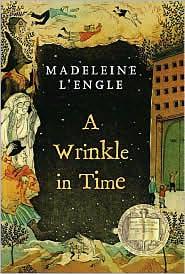
A Wrinkle in Time
A Wrinkle in Time is the rare novel that embeds real physics, genuine philosophical inquiry, and a flawed, angry female hero into a single adventure story — perfect for 6th and 7th graders who are ready to think as well as read.
Frequently Asked Questions
What reading level are these books appropriate for?▾
Most of these titles fall in the 5th–8th grade reading level range, but reading level alone is not the best guide for middle schoolers. Wonder and Harry Potter and the Sorcerer's Stone are accessible to strong 5th graders and reluctant 6th graders alike. The Giver and The Outsiders are better matched to 7th and 8th graders due to thematic complexity and, in the case of The Outsiders, mature content including violence and death. A Wrinkle in Time sits comfortably in the 6th–7th grade range.
Are any of these books too mature for 6th graders?▾
The Outsiders is the one title on this list where we recommend parents read it first before handing it to a 6th grader — it includes gang violence, a death scene, and themes of class conflict that are handled honestly rather than softened. The Giver contains a scene involving infant euthanasia that is purposeful but genuinely disturbing, and warrants a conversation before or after reading. Wonder, Harry Potter, and A Wrinkle in Time are all appropriate for 6th graders without prereading.
How do I get a reluctant middle schooler to actually read these books?▾
The most effective approach is to read alongside them — even one chapter together at the start removes the activation energy of beginning alone. Audiobooks are a legitimate entry point, particularly for Harry Potter (the Jim Dale narration is exceptional) and Wonder. Avoid framing any of these as 'good for you' — lead with the story, not the lesson. If a book is not working after 50 pages, it is fine to set it aside and try another title on this list.
Are these books commonly assigned in middle school classrooms?▾
Wonder is widely assigned in 6th grade classrooms nationwide and is a common summer reading selection before middle school. The Giver and The Outsiders are among the most frequently assigned novels in 7th and 8th grade English curricula in the United States. A Wrinkle in Time appears regularly on school reading lists and won the Newbery Medal. Harry Potter is less commonly assigned but is frequently recommended by school librarians as independent reading.
What should I look for in a book for a middle schooler who reads above grade level?▾
For advanced middle school readers, prioritize thematic complexity and literary quality over reading level alone. The Giver's ambiguous ending and philosophical themes reward readers who can sit with unresolved questions. The Outsiders offers emotional depth that advanced readers will appreciate precisely because it does not explain itself. A Wrinkle in Time embeds real scientific and philosophical concepts that give strong readers something to research beyond the text itself.
Ready to compare all options?
See every books middle school ranked by our editors — scored on safety, value, ease of use, and quality.
See all 5 Best Books for Middle Schoolers (6th–8th Grade) ranked →