Best Books for Teens 2026: Top 5 Picks for Ages 13–18
June 16, 2026 · ParentRankings Editors
Our Top Pick
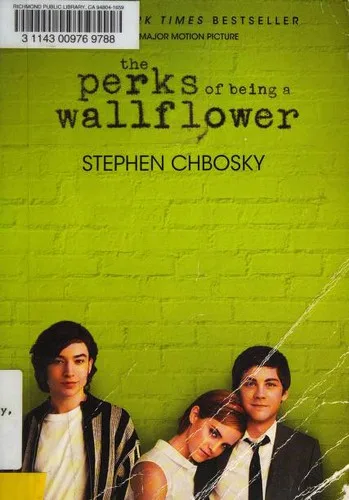
The Perks of Being a Wallflower
No book on this list comes closer to the actual interior experience of being a teenager — and that rare honesty is exactly why teens who find it at 15 carry it for the rest of their lives.
Publishers Weekly just released its Best YA Books of 2025, and the list tells you something important about where teen publishing is headed. Illustrated debuts, supernatural fiction, contemporary drama spanning every conceivable identity and experience: publishers are clearly working harder than ever to compete with the thing sitting in every teenager's pocket. That competition is real, and it's worth taking seriously. Getting a high schooler to voluntarily pick up a book in 2026 isn't a matter of finding something "educational." It's a matter of finding something that feels urgent enough to beat a screen.
The five titles we've ranked below have already won that competition, across millions of readers and multiple generations. These aren't books we're hoping teens will like. They're books teens have proven they finish, return to, and remember. That track record matters more to us than any algorithm or award committee, and it's the foundation of everything that follows.
If you're buying for a teen in your life, whether that's your own kid, a niece, a nephew, or a student, this guide will tell you exactly which title fits which reader. We've tested these against the full range of teen personalities: the reluctant reader, the anxious overthinker, the history buff, the kid who thinks inspiration is cringe. There's a right answer for each of them. Here's how we figured out which is which.
What Makes a Great Book for Teens? Our Ranking Criteria Explained
Teen engagement is where we started, and we weighted it heavily, because a book that sits on a nightstand unread is just a decorative object. We looked for titles with genuine narrative momentum, protagonists teens actually recognize themselves in, and formats that pull in even self-described non-readers. A high score here means real teenagers finish the book without being told to. That's a higher bar than it sounds.
Developmental value is what separates a great teen read from a merely entertaining one. The best books on this list do double duty: they tell a story that holds attention and quietly build something in the process, whether that's empathy, critical thinking, emotional vocabulary, or moral reasoning. We scored each title on how meaningfully it supports the actual psychological and intellectual growth happening between 13 and 18, because that window is short and the right book at the right moment can do real work.
Literary quality matters here, though not in the way a school assignment would frame it. We're not scoring for impressiveness. We're scoring because well-constructed prose shapes how young readers think about language itself, and teens who grow up reading strong writing tend to write and argue more clearly. Craft is a gift the reader doesn't always know they're receiving.
Cultural significance adds a dimension that purely literary scoring misses. Books that have shaped how generations talk about justice, identity, power, or purpose give teens a place in a larger conversation, a shared reference point with adults, with history, with the culture they're inheriting. That footprint is real and we factored it in.
Rereadability is our long-game criterion. The books that matter aren't always the ones teens love at 15. They're the ones teens pick up again at 22 and realize hit differently. A high rereadability score signals that the book operates on more than one level, which is the clearest sign we have that it will actually stick.
Finally, age-appropriateness and parent guidance. We flagged mature content clearly throughout, because parents deserve to make informed decisions rather than be caught off guard. A book isn't disqualified for handling difficult themes. Purposeful difficulty is often exactly what makes a book worth reading. But transparency is non-negotiable, and we treat it that way.
Who Should Buy
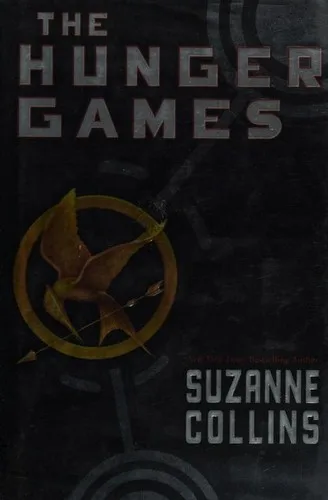
If you have a teen who insists reading isn't for them, start with our pick for reluctant readers. Its relentless present-tense pacing and morally complicated protagonist have converted more self-described non-readers than anything else on this list. Librarians reach for it first for exactly that reason, and it earns that reputation every time.
If you want a book that opens real conversations about mental health, trauma, and identity, our overall top pick is the one. Its epistolary format creates an unusual intimacy, and its treatment of adolescent confusion is compassionate enough to lower a teenager's defenses rather than raise them. It's best for readers 14 and up, and it rewards a parent who reads it alongside their teen.
If your teen is deep in a U.S. history or civics curriculum, our best classic belongs on the shelf. Scout's perspective makes moral courage feel immediate rather than historical, and the dinner-table conversations it generates about justice and complicity are the kind no classroom assignment can manufacture.
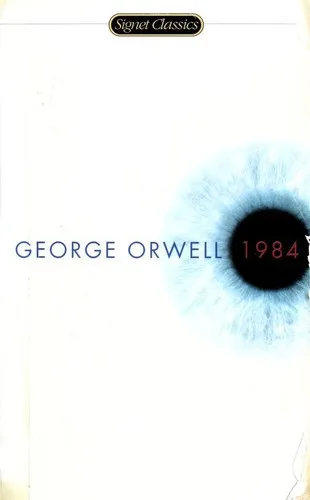
If you're raising a teen who lives on social media and news feeds, our pick for critical thinking is the most important book on this list from a civic education standpoint. The vocabulary it gives teenagers applies directly to the media environment they're already navigating. The earlier they read it, the better equipped they are.
And if your teen is approaching graduation, college applications, or any major transition, our inspiration pick is short enough to finish in a weekend and lands with unusual force at exactly that age. It works best when discovered voluntarily, so leave it somewhere visible and say nothing. That strategy works more often than you'd think.
More Picks We Love
Our full ranking, scored by our editorial team on safety, value, ease of use, and quality.
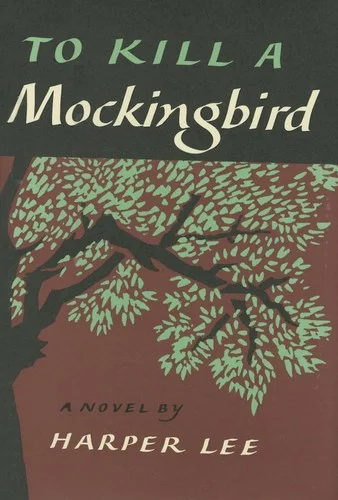
To Kill a Mockingbird
Six decades on every serious high school reading list for a reason — it makes moral clarity feel hard-won rather than preachy, and the conversations it starts at the dinner table are ones no classroom assignment can manufacture.
1984
The most important book on this list from a civic education standpoint — Orwell wrote a manual for recognizing authoritarianism, and every teen should read it before they need it.
The Hunger Games
The book librarians and English teachers reach for when a teen insists reading is not for them — and it almost always works, because the pacing is merciless and Katniss is too complicated to put down.
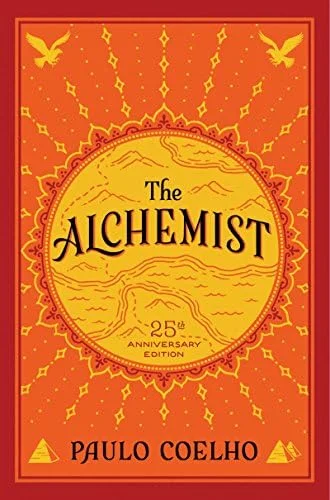
The Alchemist
Not the most literary book on this list, but possibly the most useful one at 16 — a short, fast fable about purpose and perseverance that arrives at exactly the right moment in a teenager's life.
Frequently Asked Questions
What age is appropriate for The Perks of Being a Wallflower?▾
Most child development experts and librarians recommend The Perks of Being a Wallflower for readers 14 and older. The book addresses sexual abuse, drug use, and mental health with honesty and compassion, but the content is genuinely heavy. Parents of younger teens in the 13–14 range should read it first or alongside their teen so the themes can be discussed openly rather than processed in isolation.
Are these books assigned in high school, or are they for independent reading?▾
Several of these titles — To Kill a Mockingbird and 1984 in particular — appear frequently on high school required reading lists, while others like The Hunger Games and The Alchemist are more commonly discovered independently. The Perks of Being a Wallflower is rarely assigned due to its mature content but is widely read voluntarily. All five work well as independent reads, and in some cases — particularly The Alchemist — they're more effective when a teen chooses them rather than being told to read them.
How do I get my teenager to actually read a book I give them?▾
The most effective approach is low pressure and high visibility — leave the book somewhere accessible without making it a directive. Teens are more likely to pick up a book that feels like a discovery than one that feels like homework. For reluctant readers, starting with The Hunger Games is a reliable strategy because its pacing is genuinely hard to put down. Reading the same book yourself and mentioning what you thought of it — without demanding a discussion — also tends to spark curiosity more than a formal recommendation.
Do these books support academic skills, or are they purely for enjoyment?▾
Both. All five titles develop reading comprehension, analytical thinking, and literary vocabulary that translate directly to academic performance in English and humanities classes. 1984 and To Kill a Mockingbird are particularly strong for building the kind of close-reading and argumentation skills tested on the SAT, AP exams, and college essays. The Hunger Games and The Alchemist are more engagement-first, but finishing a book voluntarily builds reading stamina that benefits academic reading across all subjects.
Is The Hunger Games appropriate for a 13-year-old?▾
The Hunger Games is generally considered appropriate for ages 12 and up, though parents of younger or more sensitive readers should preview it first. The violence is integral to the premise — children are forced to kill each other in a televised arena — and while it isn't gratuitous, it is sustained and purposeful. Most 13-year-olds handle it well, and the book's themes about media, power, and survival are genuinely valuable at that age. The sequels, particularly Mockingjay, are darker and more emotionally complex.
Ready to compare all options?
See every high school books ranked by our editors — scored on safety, value, ease of use, and quality.
See all 5 Best Books for Teens ranked →