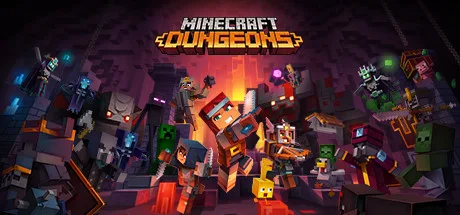
Best Video Games for Teens 2026: Top 5 Picks
June 15, 2026 · ParentRankings Editors
Our Top Pick
Minecraft (Java + Bedrock Edition)
Minecraft is the only game on this list that parents, educators, and teens all agree on — a 3D creative sandbox that builds real skills at an unbeatable $30 price point.
The Nintendo Switch 2 launched in 2025 as the fastest-selling console ever, and the ripple effect on the broader gaming market has been real. Publishers rushed to release and update titles optimized for the new hardware, reviewers revisited their all-time rankings, and suddenly every high schooler in the country had a reason to care about gaming again. That's good news for teens, and it's actually good news for parents too, if you know where to look.
The problem is that "what's popular" and "what's worth your teen's time" are rarely the same list. Trending games on streaming platforms are often optimized for spectacle and session length, not for the things parents actually care about: content that's age-appropriate, gameplay that builds something real, and a price tag that doesn't require a conversation. Right now, with so many new and newly relevant titles competing for attention, the signal-to-noise ratio is genuinely terrible. That's exactly why this moment calls for a guide that cuts through it.
We ranked the five best video games for teens in 2026 by age-appropriateness, cognitive value, and real-world social benefit. These are games that parents, educators, and teens themselves can agree on. Not every game on this list is flashy. Some of them are a few years old. All of them are worth it.
What Makes a Great Video Game for High Schoolers?
Age-appropriateness is more nuanced than the label on the box. High schoolers are 13 to 18, and that range matters. Content that would be a hard no for a middle schooler may be completely reasonable for a 17-year-old. We looked at ESRB ratings as a starting point, but we went further: unmoderated online chat with strangers, gratuitous violence, and mature sexual content are still worth screening regardless of age, while stylized combat or emotionally complex themes in an otherwise clean game are a different conversation entirely. The rating is a floor, not a verdict.
The best teen games build something. We weighted cognitive and creative value heavily because the gap between games that make teens sharper and games that simply reward reflexes is enormous, and it's not always obvious from the outside. Systems thinking, spatial reasoning, long-range planning, creative problem-solving: these are skills that show up in school, in work, and in life. A game that quietly teaches a teen how complex systems interact is worth far more than one that just keeps them clicking.
Multiplayer is a feature and a risk at the same time. Online play can build genuine friendships and real communication skills. It can also drop your teen into an unmoderated lobby with strangers at 11pm on a school night. We evaluated every social feature on this list for whether it's opt-in, limited to known friends, or open to the public, and we flagged the ones where parental setup isn't optional, it's genuinely important. A game with great multiplayer that requires zero configuration from you is a better game for a busy household.
Value and longevity are not the same as price. A $15 game that delivers 80 hours of meaningful play is a better deal than a $70 game that's done in a weekend. We looked hard at dollar-per-hour ratios, replayability, and, critically, whether the purchase price actually buys the full experience. Some titles on the broader market are priced low specifically to funnel players toward expensive DLC. We flagged that wherever it applies in our picks, because a game that costs $30 at checkout and $90 by the time it's complete is not a $30 game.
Screen time manageability is a real criterion, not a parenting cliché. Some games have natural daily stopping points built into their design. Others are structurally engineered to make quitting feel like a loss. For a teen balancing AP classes, extracurriculars, and a social life that exists outside a screen, that distinction matters enormously. We noted which games work with a teenager's schedule and which ones require active parental boundaries to keep from becoming a problem.
Who Should Buy
If you need the cleanest possible option with zero content concerns and no online exposure whatsoever, our second-ranked pick is the answer. It's a single-player experience with no mature content, no strangers, and well over 100 hours of genuinely brilliant gameplay. It's the easiest yes on this entire list.
If you're shopping for a teen on a tight budget, our stress-relief pick at $14.99 is the best dollar-per-hour value here by a significant margin. It runs on virtually any device, it has a devoted female player community, and it's the rare game that adults pick up "just to try" and put down three months later. In the best way.
If your teen is into history, economics, or competitive strategy, our strategy pick is the highest-cognitive-value game on the list. The base game is affordable, though do read the fine print on expansions before you buy. It's the kind of game that makes teens better at school without them noticing.
If you want a game you can actually play together, our co-op pick was designed from the ground up for exactly two players. One copy covers both of you. The mechanics require real communication, which means you'll have more actual conversations with your teenager in one session than most parents manage in a week. That's not an exaggeration.
And if your teen is creative, a builder, or just needs a game that grows with them for years, our top pick is the one. It's been the right answer for a decade for a reason, and at $30 with cross-platform multiplayer, it's still the best combination of longevity, creativity, and value on this list.
More Picks We Love
Our full ranking, scored by our editorial team on safety, value, ease of use, and quality.
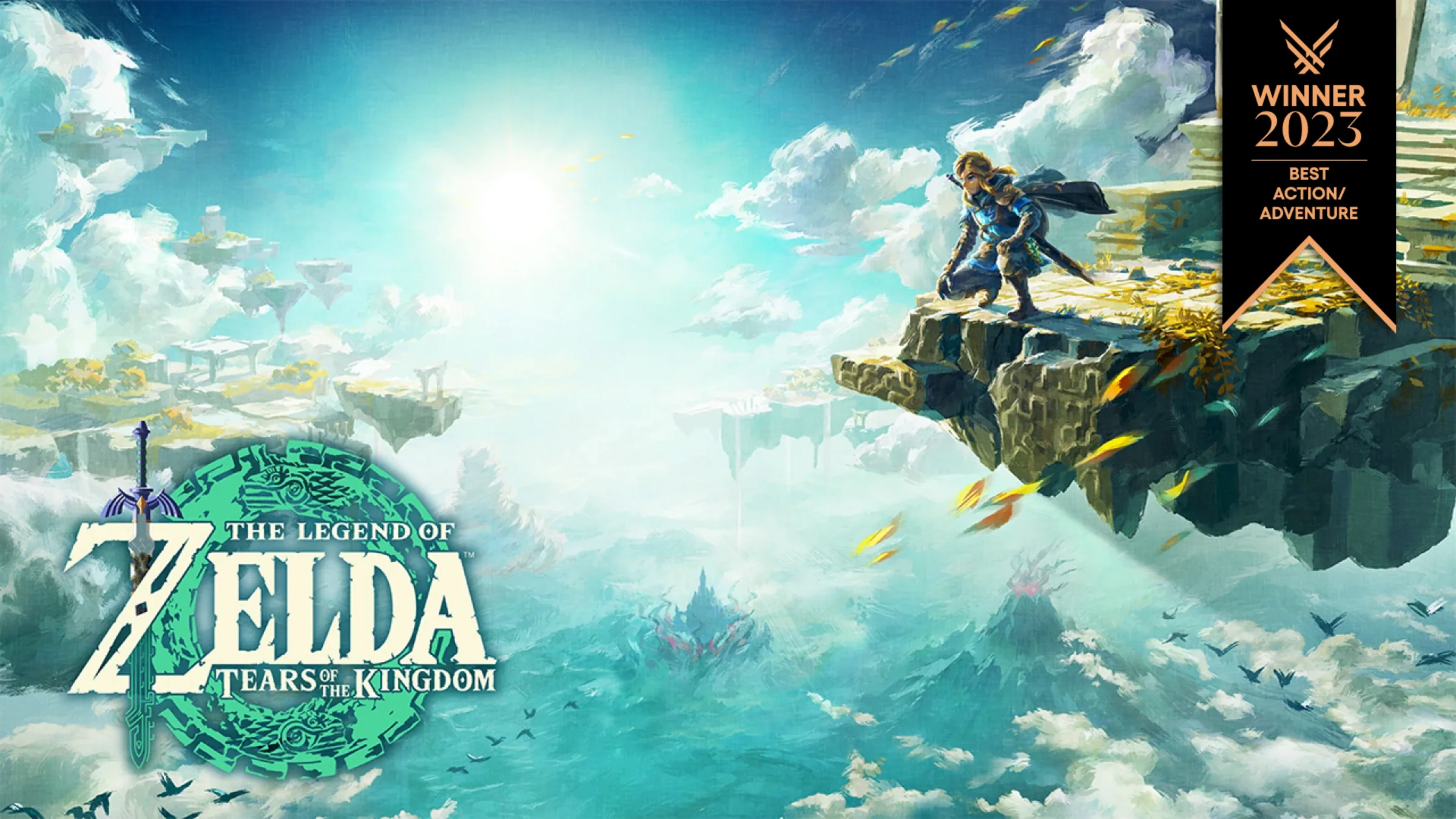
The Legend of Zelda: Breath of the Wild / Tears of the Kingdom
Two of the most acclaimed games ever made that also happen to be completely clean — Tears of the Kingdom alone delivers 100+ hours of physics-based puzzle brilliance with zero content concerns.
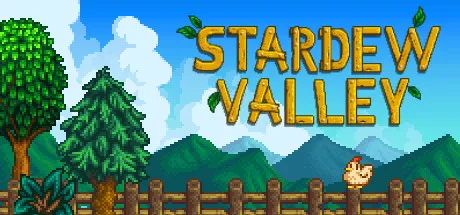
Stardew Valley
At $15, Stardew Valley is the best dollar-per-hour game on this list and one of the most genuinely calming experiences available for teens drowning in academic pressure.
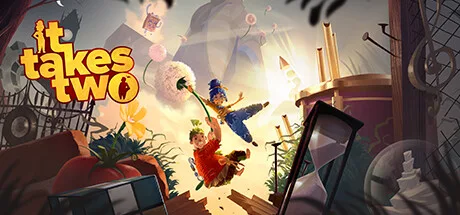
It Takes Two
The best two-player game ever made doubles as the most effective parent-teen bonding tool in gaming — and the included Friend's Pass means one copy covers both of you.

Civilization VI
Civilization VI is the highest-cognitive-value game on this list — the kind of strategy experience that genuinely prepares teens for AP History exams while they think they're just having fun.
Frequently Asked Questions
What video games are actually appropriate for a 13-year-old high schooler?▾
All five games on this list are appropriate for 13-year-olds, though with different caveats. Minecraft and Stardew Valley are the cleanest starting points — both are rated E10+ and E respectively, with no mature content. Zelda: Tears of the Kingdom is rated E10+ and has zero online exposure. It Takes Two is rated E10+ but deals with divorce themes worth discussing beforehand. Civilization VI is rated E10+ and contains stylized historical combat, but nothing graphic.
How do I stop my teen from spending too much time gaming?▾
The most effective approach is structural rather than reactive — set screen time limits through your router, console parental controls, or a family agreement before the game is installed, not after a conflict arises. Games like Stardew Valley and Zelda have natural daily stopping points built into their design, while Minecraft and Civilization VI can run indefinitely without boundaries. Most modern consoles including Nintendo Switch and PlayStation offer built-in parental control apps that let you set daily time limits remotely.
Are any of these games good for teenage girls specifically?▾
Yes — Stardew Valley in particular has one of the most gender-balanced player communities in gaming, with strong appeal to teen girls who enjoy relationship-building, creativity, and low-stakes progression. It Takes Two and Minecraft also have large female player bases. None of the five games on this list rely on combat or competition as their primary hook, which makes the full list more broadly appealing than a typical teen gaming roundup.
Do any of these games have in-app purchases or hidden costs I should know about?▾
Minecraft has a marketplace for cosmetic add-ons, but the base game is fully playable without spending anything beyond the $29.99 purchase price. Civilization VI is the most important one to flag — the base game is $29.99, but the full experience with expansions can cost significantly more, so watch for Steam sales where the complete edition frequently drops below $20. Stardew Valley, It Takes Two, and both Zelda titles are complete purchases with no additional spending required.
Can my teen play any of these games with friends online safely?▾
Minecraft has the most robust multiplayer options but also the most risk — public servers are unmoderated, so set up a private Realm or invite-only server for your teen's friend group. Stardew Valley's co-op mode is limited to players your teen invites directly, making it very safe. Civilization VI has online multiplayer but it's typically played with known friends rather than strangers. Zelda titles are single-player only with no online component, and It Takes Two is local or online co-op with one invited friend only.
Ready to compare all options?
See every high school video games ranked by our editors — scored on safety, value, ease of use, and quality.
See all 5 Best Video Games for Teens ranked →