Best Books for Kids (3rd–5th Grade) of 2026
We ranked the best books for 3rd through 5th grade on story engagement, vocabulary growth, thematic depth, reading challenge, and long-term literary value — because this is the window when kids decide whether they are readers.
5 items ranked · Last reviewed January 2026
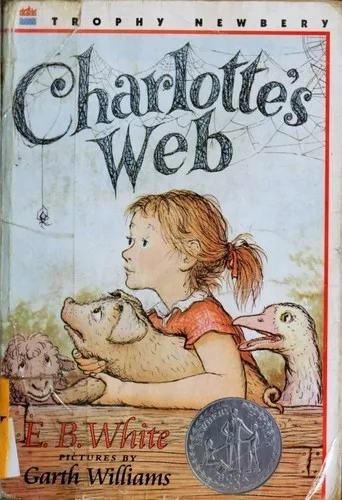
Charlotte's Web
The most perfectly written American children's novel — friendship, death, and wonder in 184 pages
Charlotte's Web is the standard against which every other middle-grade novel is measured. E.B. White wrote a book about a pig and a spider that manages to be the best treatment of friendship and death in the English language at any reading level. Every 3rd, 4th, and 5th grader should read it — ideally aloud with a parent so the conversation that follows can happen.
PROS
- ✓E.B. White's prose is among the most beautiful in any children's book — reading it aloud to a child is an education in sentence construction
- ✓Handles mortality, loyalty, and the meaning of friendship with a directness and emotional honesty that most adult fiction fails to achieve
- ✓Perfect reading challenge for 3rd and 4th grade — long enough to feel like a real book, accessible enough to read independently
CONS
- ✕The ending makes children (and most adults) cry — prepare emotionally and have a conversation plan ready
- ✕Farm setting and mid-century context may feel distant to urban kids without some parental framing
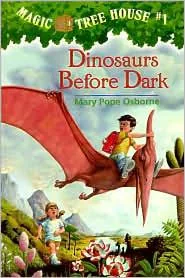
Magic Tree House Series
History and adventure delivered in the perfect chapter-book format for 2nd–4th grade readers
The Magic Tree House series has introduced more children to history, science, and independent reading than any other children's series of the last 30 years. The formula works because it works — kids who love dinosaurs read the dinosaur book, discover ancient Egypt in the next one, and suddenly have opinions about medieval knights. The nonfiction companion guides are underrated bonus content.
PROS
- ✓50+ books covering ancient Egypt, the Civil War, dinosaurs, medieval Japan, and dozens more — every child finds a setting that hooks them
- ✓Companion 'Research Guide' nonfiction books for each title let kids go deeper into subjects they discover through the fiction
- ✓Chapter book format at exactly the right length for 2nd–4th grade independent reading — kids finish books and feel accomplished
CONS
- ✕Writing is functional rather than literary — Osborne prioritizes plot and information delivery over language beauty
- ✕The formula (Jack and Annie find a tree house, travel to historical period, learn things, return) becomes predictable across the series
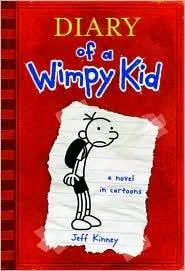
Diary of a Wimpy Kid
The book that proved middle school humor and cartoon panels can make kids love reading
Diary of a Wimpy Kid solved a real problem: getting 4th and 5th grade boys — statistically the most likely demographic to disengage from reading — to voluntarily pick up books. The cartoon panels, the relatable social anxiety, and the genuine comedy work. The moral complexity of an unreliable narrator is actually a reading comprehension skill. Highly recommended for any 3rd–5th grader who thinks they don't like books.
PROS
- ✓The illustrated diary format removes the visual monotony of dense text — perfect for 4th and 5th graders who resist chapter books
- ✓Greg Heffley's flawed, self-aware, frequently wrong perspective teaches kids to think critically about narrator reliability
- ✓18+ books in the series means a hooked reader has years of material — the series has brought more reluctant readers to books than almost any other
CONS
- ✕Greg is not a role model — his scheming and selfishness are the point, but some parents want protagonists with clearer moral compasses
- ✕Reading level is below grade for strong 5th grade readers, though the humor keeps it engaging regardless
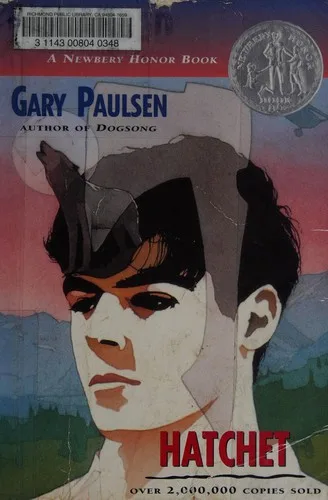
Hatchet
The survival novel that has turned reluctant 5th grade readers into book finishers for 40 years
Hatchet is the book that makes 5th graders miss their stop on the bus. Gary Paulsen's survival story works because it is genuinely gripping — 13-year-old Brian crashing a plane into Canadian wilderness and figuring out how to live is the kind of premise that does not need embellishment. The reading level is appropriately challenging for 4th–5th grade while the engagement level pulls even resistant readers through.
PROS
- ✓First-person survival narrative is one of the most relentlessly readable structures in fiction — kids finish this book in days
- ✓Genuine tension and high stakes make it effective for kids who complain that books are boring — this one is not boring
- ✓Teaches problem-solving, resilience, and self-reliance through plot rather than instruction — the lessons stick because the story does
CONS
- ✕Brian's parents' divorce is a background element — brief but present, and worth discussing if a child is experiencing family change
- ✕Sequel quality varies significantly — the original Hatchet stands alone and is the only one worth prioritizing
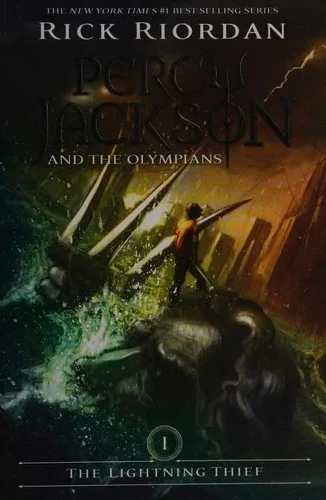
Percy Jackson & the Olympians: The Lightning Thief
Greek mythology retold with ADHD humor, real stakes, and a hero every kid who's ever struggled in school can root for
Percy Jackson is the series that made an entire generation of children want to learn Greek mythology. Riordan's genius was grounding the ancient stories in a modern 12-year-old's perspective and making ADHD and dyslexia the source of superhuman abilities. The result is a series that both strong readers and struggling readers pick up voluntarily — which is the only metric that matters.
PROS
- ✓Riordan makes Greek mythology completely accessible and genuinely exciting — kids who read this series arrive in middle school already knowing their gods, heroes, and monsters
- ✓Percy's ADHD and dyslexia are central to his heroism rather than treated as obstacles — a rare and powerful message for kids who learn differently
- ✓Five books in the original series plus multiple spin-off series mean a hooked reader has a decade of related content to explore
CONS
- ✕Best suited for 4th grade and up — the narrative complexity and length can be frustrating for younger 3rd graders reading independently
- ✕Later books in the series grow progressively longer and more complex — parents should check in as kids move through the series