Best Pacifiers of 2026
We researched and evaluated the top pacifiers on nipple design, material safety, acceptance rates, and special needs options including cleft palate-compatible designs.
5 items ranked · Last reviewed April 2026
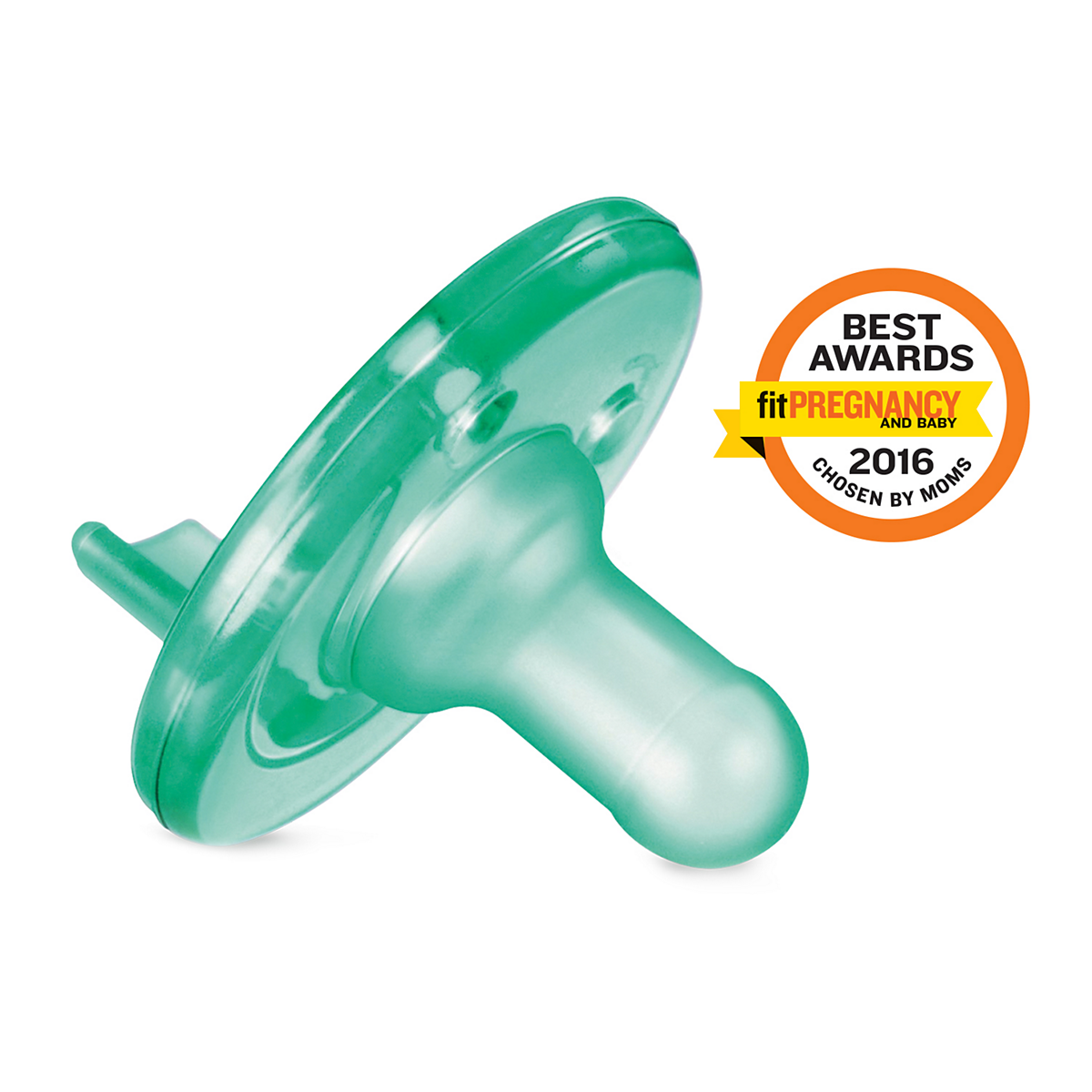
Philips Avent Soothie Pacifier
The hospital pacifier trusted by NICUs nationwide
The Philips Avent Soothie is the pacifier distributed in most US hospital NICUs and newborn nurseries — that clinical endorsement is unmatched. Its one-piece silicone design has no parts that can separate, and the symmetrical nipple is comfortable for newborns still learning to suck. At under $10 for a 2-pack, it's the logical first choice for new parents.
PROS
- ✓Distributed in most US hospital NICUs and newborn nurseries
- ✓One-piece silicone construction — no parts to come apart or choke on
- ✓Widely accepted by newborns; works for breastfed and bottle-fed babies
CONS
- ✕Symmetrical nipple shape is not orthodontically shaped for long-term use
- ✕No built-in clip attachment for fastening to clothing
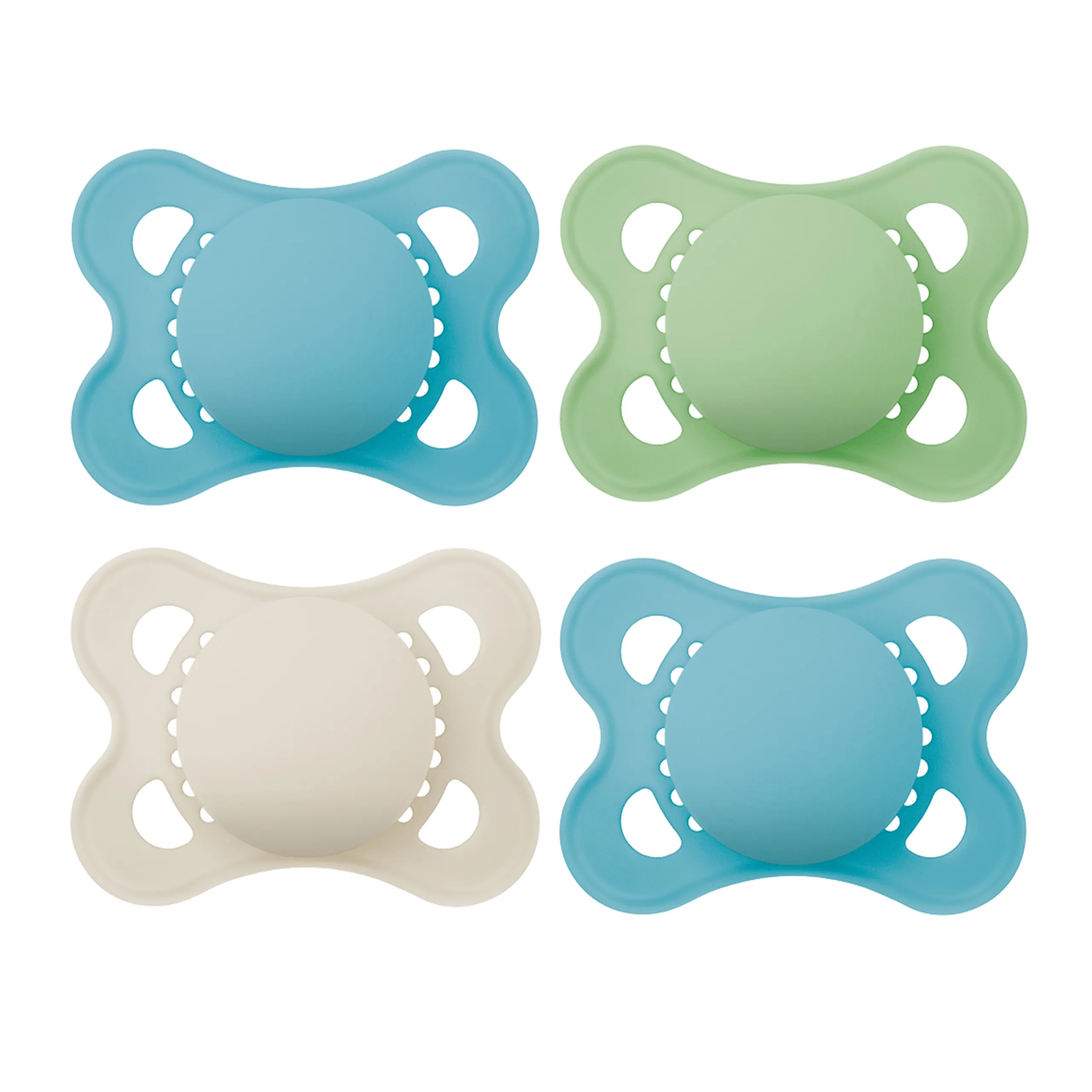
MAM Original Pacifier
Self-sterilizes in its own case in just 3 minutes
MAM's Original is the top-selling pacifier in Europe and has developed a devoted following in the US for its remarkable acceptance rate. The flat orthodontic nipple follows the natural contour of the palate, and the self-sterilizing travel case is genuinely useful on the go. Pediatric dentists frequently recommend it for ongoing use.
PROS
- ✓Self-sterilizing travel case — just add water and microwave for 3 minutes
- ✓Flat orthodontic nipple shape recommended by pediatric dentists
- ✓Exceptionally high acceptance rate across breastfed and bottle-fed babies
CONS
- ✕Slightly higher price than other orthodontic options
- ✕Two-piece design requires periodic inspection for separation
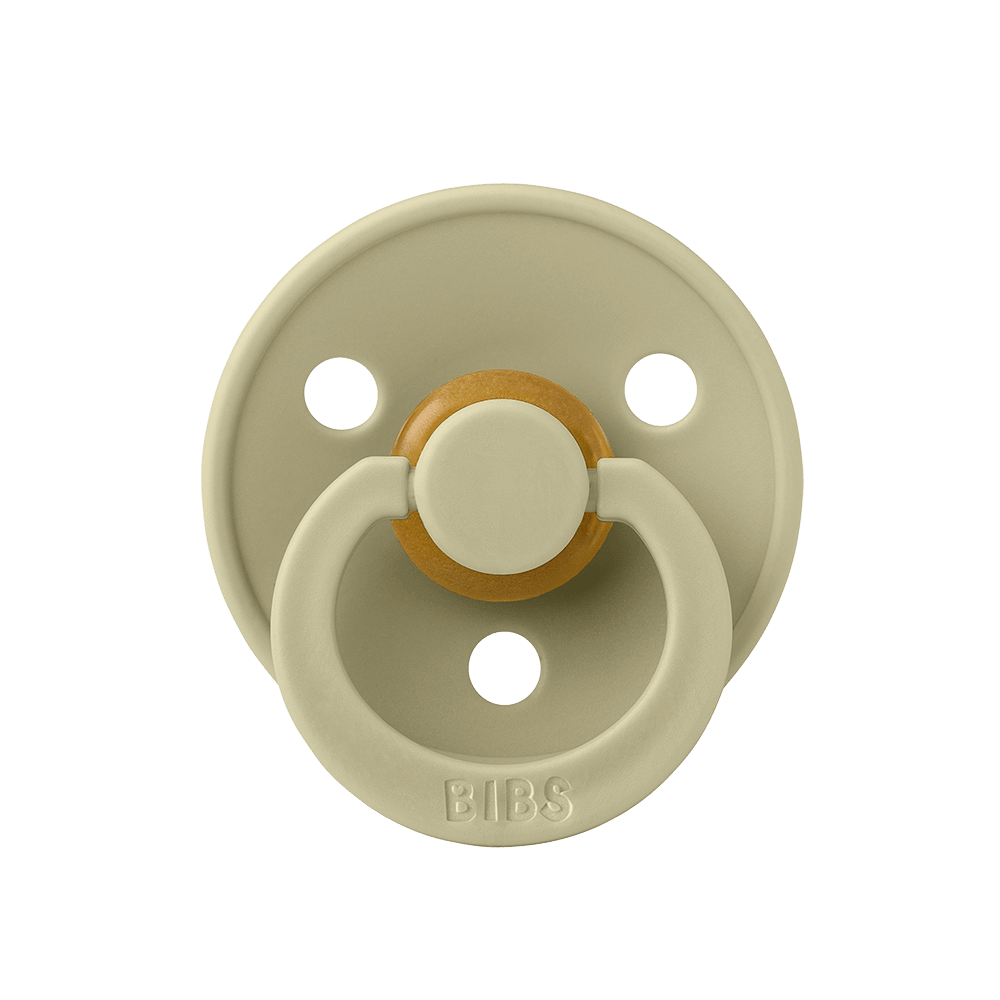
BIBS Natural Rubber Pacifier
Danish natural rubber design trusted since 1978
BIBS pacifiers from Denmark have used the same classic round cherry nipple since 1978 — a shape that breastfed babies tend to accept most readily due to its resemblance to a natural breast. The natural rubber is softer and more flexible than silicone. They've become a favorite of style-conscious parents and genuinely work well for most babies.
PROS
- ✓Natural latex rubber nipple preferred by many breastfed babies
- ✓Classic round shape similar to breastfeeding latch position
- ✓Iconic Scandinavian design — widely popular among parents
CONS
- ✕Natural rubber degrades faster than silicone — inspect regularly
- ✕Not suitable for babies with latex allergies
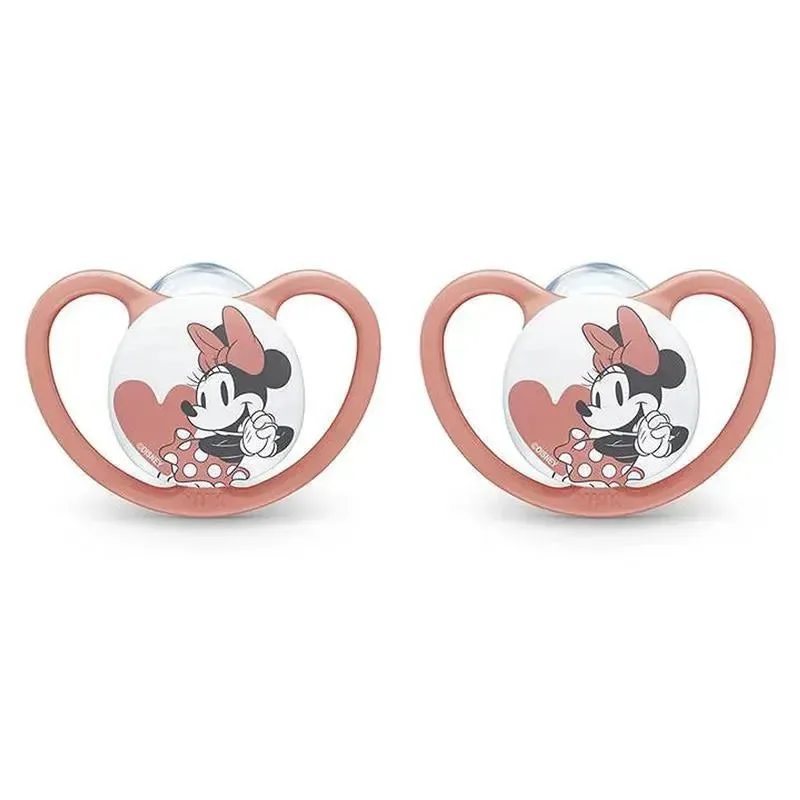
NUK Space Orthodontic Pacifier
Dentist-designed air-flow shield prevents drool rash
NUK Space pacifiers are designed by orthodontic specialists with air circulation holes in the shield to prevent the drool rash seen with solid-shield designs. The flat asymmetric nipple follows the natural contour of the palate and is one of the most consistently recommended designs by pediatric dentists for babies who use pacifiers long-term.
PROS
- ✓Orthodontic nipple designed to protect jaw and palate development
- ✓Air circulation holes in shield prevent drool rash and skin irritation
- ✓Flexible shield conforms to baby's face contours
CONS
- ✕Angled orthodontic nipple is not accepted by all babies
- ✕Air holes in shield make wiping less thorough than solid-shield options
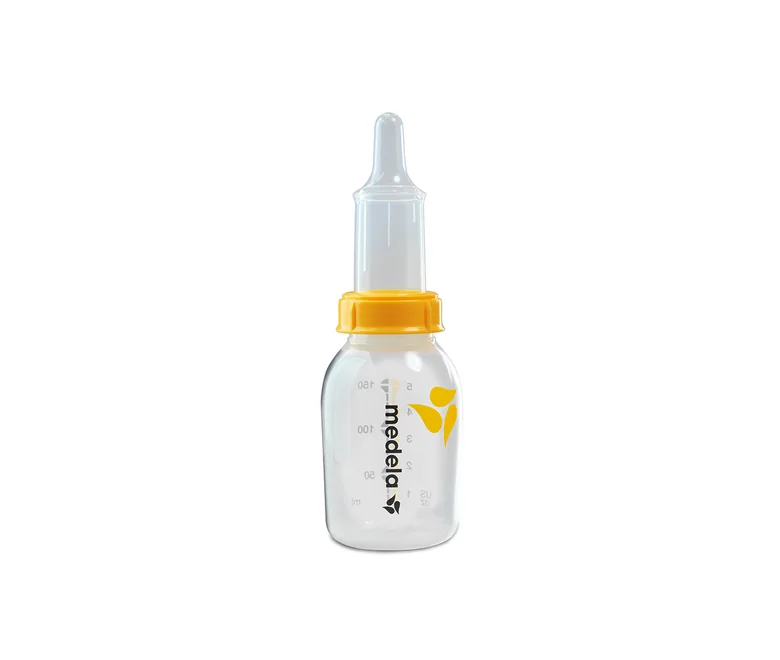
Medela Special Needs Feeder
The clinical standard for babies with cleft palate or feeding difficulties
The Medela Special Needs Feeder (formerly the Haberman Feeder) is the most widely recommended feeding system for infants with cleft palate, cleft lip, or oral-motor challenges that prevent normal suction. The slit nipple releases milk when compressed — allowing babies who cannot create negative pressure to feed successfully. It is the clinical standard recommended by craniofacial surgeons and SLPs. If your baby has a confirmed cleft palate or lip, this is the essential first tool.
PROS
- ✓Designed specifically for cleft palate, cleft lip, and low muscle tone
- ✓Squeezable bottle lets caregiver control milk flow when baby cannot create suction
- ✓Recommended by craniofacial surgeons and speech-language pathologists worldwide
CONS
- ✕Not suitable for babies without feeding difficulties — flow can be too fast
- ✕Squeezing technique has a learning curve for caregivers