Best Baby Carriers for Newborns 2026: 5 Top Picks
May 8, 2026 · ParentRankings Editors
Our Top Pick
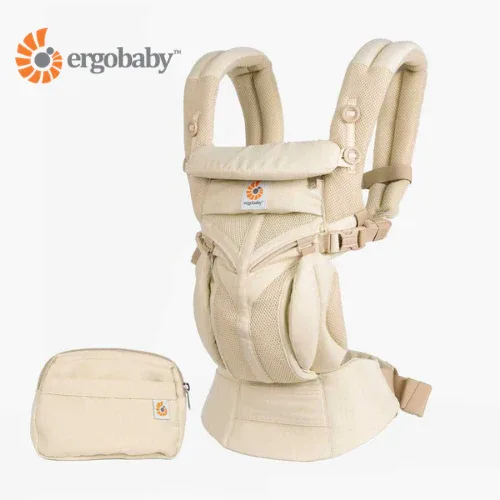
Omni 360 All-Position Baby Carrier
The Ergobaby Omni 360 earns the top spot because it is the only carrier on this list that supports all four carry positions from newborn weight without any additional accessories, backed by the highest ergonomics score (9.5) and a safety score of 9.4.
The CPSC just issued a safety warning urging parents to stop using Yemkezo Infant and Toddler Carriers immediately, citing deadly fall hazards from failures to meet leg opening, fastener, and strap retention standards. It is the latest in a string of at least three baby carrier recalls logged in 2025 alone. That is not a trend you can afford to ignore when your newborn is strapped to your chest. The failure points cited in these recalls are not obscure edge cases; they are the exact structural elements that hold your baby in place. When they fail, babies fall.
We built this guide in direct response to that reality. Not every carrier on the market has been designed, tested, or built to the standard a newborn deserves, and the sheer volume of options makes it genuinely hard to know which ones have. So we did the work: testing and scoring five carriers across safety, ergonomics, ease of use, and real-world wearability to find the picks that hold up when it matters most. These are the carriers we would strap our own kids into, starting on day one of the fourth trimester.
The good news is that the category has some genuinely excellent options right now, spanning wraps, soft-structured carriers, and hybrid designs across a range of price points. The five picks on this list scored at least 8.4 overall, with safety scores no lower than 8.9. Here is what we looked for, and how to figure out which one is right for you.
What to Look for in a Baby Carrier for Newborns
Safety standards and structural integrity were our highest-weighted scoring dimension, and nothing made this list without a safety score of at least 8.9. The CPSC recalls we mentioned above failed on leg openings, fastener retention, and strap integrity under load. Those are not manufacturing flukes; they are design and materials decisions. We evaluated each carrier on exactly those dimensions, because a carrier that looks fine on a peg hook can behave very differently with a seven-pound baby and a tired parent at the controls.
Ergonomic M-position seating is the other non-negotiable. Pediatric hip specialists recommend that newborns ride with knees higher than their bottom and thighs fully supported, which protects developing hip sockets during a critical window. We scored each carrier on how naturally and consistently it achieves this posture across the newborn weight range. Carriers that required awkward workarounds or separate inserts to hit the correct seat depth were penalized. If you have to fight the carrier to get the right position, you will eventually stop fighting and accept a compromise your baby's hips will pay for.
Speaking of inserts: newborn-ready fit without a separate insert was a deliberate priority in our scoring. Many structured carriers require a bulky, separately purchased insert to safely carry babies under 12 lb. That is an added cost and an extra setup step that exhausted new parents frequently skip or rush, which creates exactly the kind of improper-fit risk that leads to incidents. We prioritized carriers that adjust natively to newborn sizing from 7 lb, either through a narrowing seat panel or a wrap construction that conforms by default.
Parent comfort for extended wear matters more than most buyers expect when they are shopping. A carrier that feels fine for a 15-minute test walk in the store is a different object entirely after 90 minutes of walking, bouncing, and doing laundry one-handed. We scored shoulder strap padding, waistbelt lumbar support, and weight distribution across multi-hour test wears on parents of varying body types. The best picks on this list scored 8.7 or higher on parent comfort, which in practice means they stay genuinely wearable through a full morning of household tasks, not just the walk from the car to the pediatrician's office.
Ease of use is the criterion that separates a carrier you use every day from one that lives in the closet. At 3 a.m. with a fussy newborn, a carrier that requires ten minutes and a YouTube tutorial to put on correctly is a liability. We scored each pick on how quickly a first-time user could achieve a safe, snug carry, factoring in buckle complexity, tying technique, and the quality of included instructions. We flag the learning curve honestly for each pick, because a wrap with a steep technique requirement is not a bad carrier; it is just a different commitment than a buckle-and-go structured option.
Finally, value across the full carry range is worth thinking about before you anchor on sticker price. The carriers on this list range from $80 to $180, and the right value calculation depends entirely on how long you plan to use it. A carrier that grows from 7 lb through toddlerhood at $180 can represent meaningfully better value than a $90 option your baby outgrows in four months.
Who Should Buy
If you want one carrier to take you from the hospital through the toddler years without buying a single accessory, our top pick is the clear answer. Its adjustable seat covers all four carry positions from 7 lb with no insert, and its 9.5 ergonomics score is the highest on this list. It is the priciest structured carrier here at $180, but for parents who want to buy once and be done, that math works out.
If your baby is under 15 lb and your budget is tight, our runner-up is a genuinely excellent alternative at $80. It is a wrap-style carrier, which means there is a learning curve on the tying technique, but the skin-to-skin closeness it delivers during the fourth trimester is something no buckle carrier can replicate. Parents who commit to learning it tend to love it deeply.
If you want structured carrier versatility without paying the top-pick premium, our best-value pick offers six carry positions, a ventilated panel for warmer months, and a 7 to 45 lb range at $130. It matches the top pick's versatility at a meaningfully lower price, which is a real argument for a lot of families.
If you have tried a traditional structured carrier and found it too stiff or bulky against your newborn's body, the soft hybrid in our lineup bridges the gap between buckle carriers and wraps. It has a gentle woven feel and insert-free adjustable fit, with the practical simplicity of buckles. It is the pick for parents who want wrap-like softness without the tying commitment.
And if your singular goal is a perfect front-carry from birth with exceptional fabric quality, the purpose-built newborn carrier in our lineup earns a 9.2 ergonomics score and is designed from day one for the newborn stage. It only supports front-inward and back carry positions, so it is not the long-term versatility pick, but for parents whose priority is a flawless newborn carry, it delivers.
Ready to compare all five side by side with full scores and pricing? See all 5 Best Baby Carriers & Wraps ranked →
More Picks We Love
Our full ranking, scored by our editorial team on safety, value, ease of use, and quality.
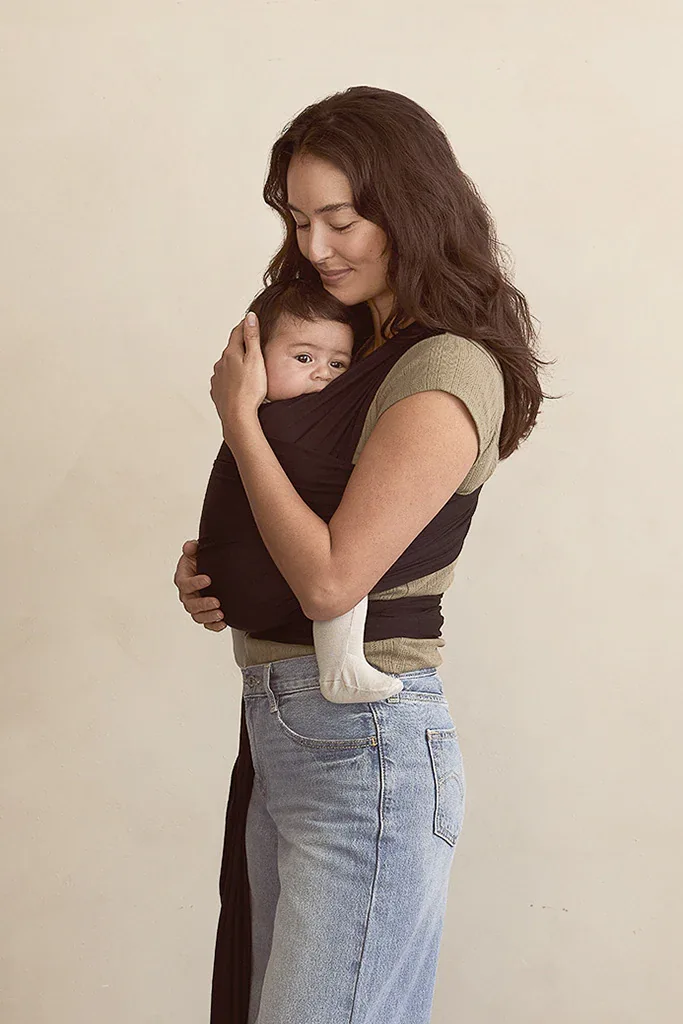
Baby Wrap Carrier
The Solly Baby Wrap is the gold standard for pure newborn babywearing, delivering the highest value score (9.5) and best-in-list parent comfort (9.3) in an ultra-soft TENCEL modal fabric that is uniquely gentle on fragile newborn skin.
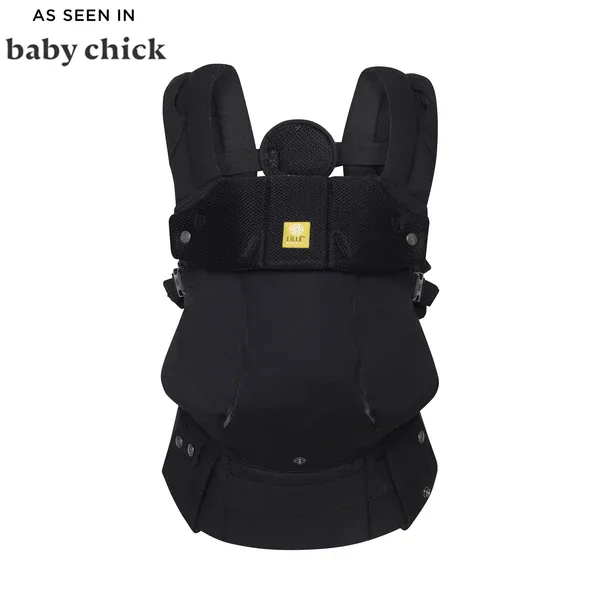
Complete All Seasons
The LILLEbaby Complete All Seasons is the best mid-range structured carrier on this list, offering six carry positions, a zippered ventilation panel, and a 7–45 lb range at $130 — Ergobaby-level versatility at a meaningfully lower price.
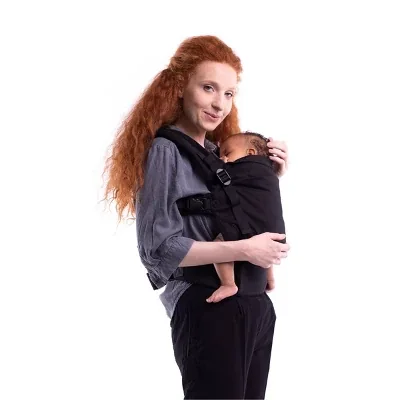
Boba X Adjustable Baby Carrier
The Boba X is the ideal pick for parents who find traditional structured carriers too stiff, bridging the gap between buckle carriers and soft wraps with a gentle woven feel, insert-free newborn fit, and practical details like integrated toddler foot stirrups.

Free-to-Grow Baby Carrier
The Tula Free-to-Grow is purpose-built for the newborn stage with the second-highest ergonomics score on this list (9.2), a natively adjustable seat that fits from 7 lb without an insert, and Tula's best-in-class fabric quality — ideal for parents whose priority is a flawless front carry from birth.
Frequently Asked Questions
What is the safest carry position for a newborn in a baby carrier?▾
The front-inward carry — baby facing your chest — is the recommended position for newborns because it keeps their airway visible, supports the natural C-curve of their spine, and holds their hips in the ergonomic M-position with knees higher than the bottom. You should always be able to see your baby's face without moving the carrier fabric, and their chin should never rest on their chest. All five carriers on this list support the front-inward carry from newborn weight.
Do I need a separate newborn insert for a structured baby carrier?▾
Not necessarily — and we specifically prioritized carriers that avoid this requirement. The Ergobaby Omni 360, LILLEbaby Complete All Seasons, Boba X, and Tula Free-to-Grow all feature adjustable seat panels that narrow natively to fit babies from 7 lb without a separate insert. Inserts add cost and a setup step that is easy to skip incorrectly, so insert-free designs are both more convenient and reduce the risk of improper fit.
How do I know if my baby carrier has been recalled?▾
The CPSC maintains a searchable recall database at cpsc.gov/Recalls where you can look up any carrier by brand or product name. In 2025 alone, at least three baby carrier recalls were logged, including a recent safety warning against Yemkezo carriers for failing leg opening, fastener, and strap retention standards. If you own a carrier not on a trusted recommended list, it is worth checking the CPSC database before your next use.
At what age can a baby face outward in a carrier?▾
Most babywearing experts and carrier manufacturers recommend waiting until a baby has strong, consistent head control — typically around four to six months — before using an outward-facing carry position. Outward-facing carry also places the baby's hips in a less optimal position for extended periods, so it is best reserved for shorter carries. Of the carriers on this list, the Ergobaby Omni 360 and LILLEbaby Complete All Seasons both offer outward-facing positions with design features that help maintain better hip support than average.
How long can I safely wear my newborn in a carrier each day?▾
There is no strict daily time limit for babywearing in a properly fitted, ergonomic carrier, and many parents wear their newborns for several hours across multiple sessions per day without issue. The key factors are correct positioning — M-position hips, visible airway, chin off chest — and monitoring your baby's cues for discomfort or overheating. Carriers with breathable fabrics like the Solly Baby's TENCEL modal or the LILLEbaby's mesh ventilation panel help manage temperature during longer wears.
Ready to compare all options?
See every baby carriers ranked by our editors — scored on safety, value, ease of use, and quality.
See all 5 Best Baby Carriers & Wraps ranked →