Best Books for Kids 3rd Grade 2026: Top 5 Picks
June 5, 2026 · ParentRankings Editors
Our Top Pick
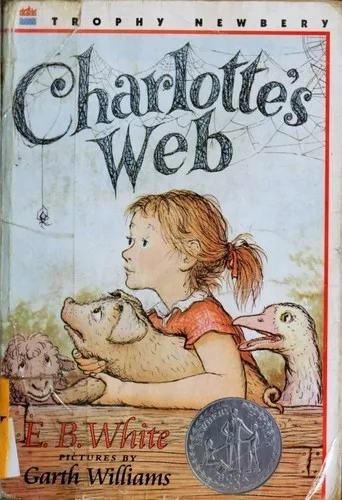
Charlotte's Web
Charlotte's Web is the single best book a 3rd or 4th grader can read — E.B. White's prose and his unflinching treatment of friendship and mortality set a standard no other middle-grade novel has matched.
PEN America, the New York Public Library, and NPR all released their Best Children's Books of 2025 lists this season, and the pattern is hard to ignore: middle-grade fiction is dominating every major roundup, with titles for ages 8 to 12 claiming more critical attention than they have in years. That's useful context if you follow children's literature closely. But most parents of 3rd through 5th graders aren't tracking literary criticism. They're watching a kid scroll TikTok for the fourth hour in a row and wondering whether a book, any book, has a fighting chance.
It does. But only if you match the right book to the right reader. The surge in critical attention to this age range reflects something real: the 8 to 11 window is when reading habits either take root or don't, and the books available right now are genuinely good enough to compete with screens. The question is which ones, and for which kid.
We went through the major 2025 lists, cross-referenced them against what we know actually works with real elementary schoolers, and landed on five titles that cover the full range of 3rd through 5th grade reading levels and interests. Here's how we made the call.
What Makes a Great Book for 3rd–5th Graders?
Reading challenge match is where we start, because a mismatch in either direction kills the experience before it begins. A book that's too easy tells a strong reader they're not being taken seriously. A book that's too hard turns reading into a chore for a developing one. The sweet spot is a book a child can read independently but still feels like a genuine accomplishment when finished. We scored each pick on whether its vocabulary and sentence complexity actually stretch a 3rd through 5th grader without tipping into frustration, and we were honest when a title skews younger or older than its grade-level label suggests.
Story engagement got the heaviest weight in our scoring, because at this age a book is competing against YouTube, video games, and every other screen in the house. A technically accomplished book that sits unread on the nightstand is not a good book for this age group. We're talking about pacing, stakes, and the specific quality of narrative pull that makes a kid miss their bus stop. Literary merit matters, but only if the kid actually reads the thing.
Theme depth is what separates the books children remember at 30 from the ones they forget by summer. The best books for 8 to 11 year olds introduce friendship, loss, resilience, and identity in ways kids can actually process at their developmental stage. We scored themes on both age-appropriateness and emotional honesty, in equal measure. Children at this age are sharp. They recognize immediately when a book is talking down to them, and they put it down.
Value in this category means more than cover price. Most of these titles run $6 to $12, which is a reasonable ask. But the more important value question is whether a single purchase opens a door to months of continued reading. A book that launches a series habit is worth far more than its sticker price, and we weighted that accordingly.
Who Should Buy
If you're looking for a book to read aloud together as a family, our top pick is the answer. E.B. White's prose genuinely rewards being read aloud, and the emotional ending opens conversations about friendship and loss that are hard to have any other way. It's the rare book that works on adults and children simultaneously.
If your 3rd grader is just starting to read chapter books independently, the runner-up in our lineup is where to begin. The books are short enough to finish in a single sitting, the topics span everything from ancient Egypt to medieval Japan, and finishing a real chapter book builds the reading confidence that makes everything else on this list possible. Confidence compounds.
If your 4th or 5th grader insists they hate reading and won't go near a novel, our best value pick is the highest-success-rate recommendation we have. The illustrated diary format doesn't look or feel like a "real book," which is precisely the point. It removes the resistance. And once they're hooked, there are 18 more books waiting.
If your child is obsessed with survival shows, outdoor adventure, or the kind of problem-solving that drives games like Minecraft, our adventure pick delivers exactly that tension in print form. The premise, a 13-year-old alone in the Canadian wilderness with only one tool, is irresistible to kids who claim books are boring. This one is not boring.
If your 4th or 5th grader learns differently, or has been told that reading is hard for them, our pick for older elementary readers is the one we'd hand them first. Riordan built the entire series around a hero whose ADHD and dyslexia are the source of his powers, not obstacles to overcome. It's one of the few books where a struggling reader sees themselves as the protagonist. That matters more than any Lexile score.
More Picks We Love
Our full ranking, scored by our editorial team on safety, value, ease of use, and quality.
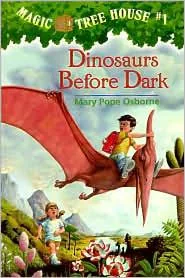
Magic Tree House Series
No other series has converted more early readers into independent chapter-book readers — 50+ titles mean every child finds the setting that hooks them and keeps going.
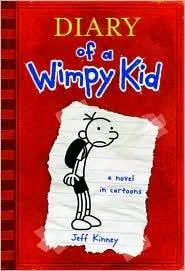
Diary of a Wimpy Kid
Diary of a Wimpy Kid is the most reliable solution for the 4th or 5th grader who insists they hate reading — the illustrated diary format and genuine comedy remove every excuse not to turn the page.
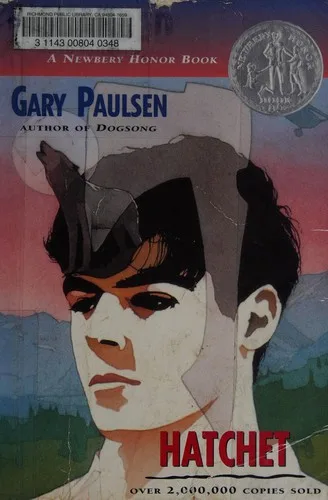
Hatchet
Hatchet is the book that makes 5th graders miss their stop on the bus — Gary Paulsen's survival premise delivers genuine tension that even the most screen-addicted reader can't put down.
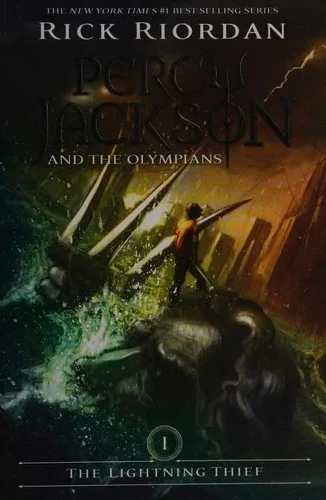
Percy Jackson & the Olympians: The Lightning Thief
Percy Jackson is the rare series that strong readers and struggling readers both pick up voluntarily — Riordan's modern take on Greek mythology and his portrayal of ADHD as a superpower make it essential reading for 4th and 5th graders.
Frequently Asked Questions
What reading level is appropriate for 3rd grade versus 5th grade?▾
Third graders are typically reading at a Lexile range of 520–820L, while 5th graders generally fall between 830–1010L. In practical terms, 3rd graders do well with Magic Tree House and Charlotte's Web as independent reads, while Hatchet and Percy Jackson are better matched to 4th–5th grade fluency. Diary of a Wimpy Kid reads below grade level for most 5th graders but remains engaging because of its humor and format.
How do I get a reluctant reader to actually finish a book?▾
The most reliable strategy is matching the book to the child's existing interests rather than the 'best' book by any external measure. A kid obsessed with history will read Magic Tree House; a kid who loves survival games will finish Hatchet in a weekend. Reading aloud together for the first chapter also lowers the activation energy — once a child is invested in characters, they'll continue independently. Diary of a Wimpy Kid is specifically designed for reluctant readers and is the single highest-success-rate recommendation for kids who resist books.
Is Diary of a Wimpy Kid actually educational, or is it just entertainment?▾
It's both, and the distinction matters less than parents often think. Greg Heffley is an unreliable narrator — he's frequently wrong about situations, self-serving in his interpretations, and oblivious to how his actions affect others. Recognizing that gap between what a narrator says and what's actually happening is a genuine reading comprehension skill taught explicitly in 4th and 5th grade ELA curricula. The humor is the delivery mechanism; the critical thinking is the outcome.
Should my child read Percy Jackson before or after learning Greek mythology?▾
After is fine, but before is better — Riordan designed the series to be a first introduction to Greek mythology, not a reward for already knowing it. Kids who read Percy Jackson first arrive curious and then seek out the source material, which is the more durable learning path. The companion 'Percy Jackson's Greek Gods' and 'Percy Jackson's Greek Heroes' books Riordan wrote later are excellent follow-ons once a child finishes the original five-book series.
Are any of these books too scary or emotionally heavy for sensitive kids?▾
Charlotte's Web ends with the death of a beloved character and will make most children cry — it's emotionally honest rather than scary, but parents of very sensitive kids should read it alongside their child rather than handing it over independently. Hatchet involves a plane crash, survival hardship, and a subplot about parental divorce, which can be intense for kids experiencing family instability. Percy Jackson and Magic Tree House involve fantasy peril but nothing that registers as genuinely frightening for most 3rd–5th graders. Diary of a Wimpy Kid has no content concerns.
Ready to compare all options?
See every books grades 3 5 ranked by our editors — scored on safety, value, ease of use, and quality.
See all 5 Best Books for Kids (3rd–5th Grade) ranked →